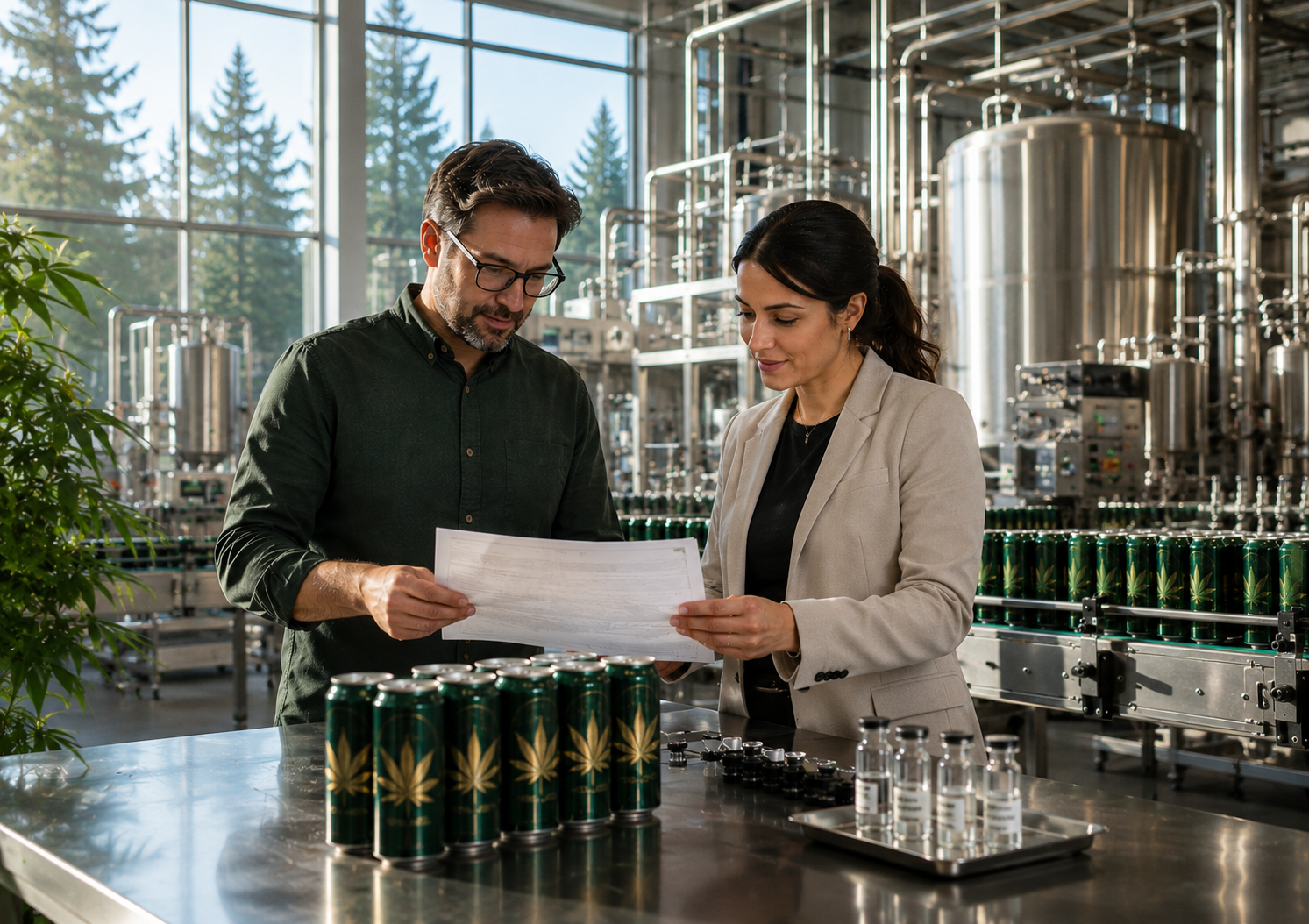
Choosing a co-manufacturer is one of the highest-stakes decisions a cannabinoid beverage brand makes. Get it right, and you have a production partner who can scale with you. Get it wrong, and you're looking at wasted batches, compliance problems, and months of lost time. Whether you're producing state-legal cannabis beverages, hemp-derived THC drinks for national distribution, or both, the co-manufacturing relationship has its own set of requirements that don't exist in conventional beverage production. Here's how to evaluate a potential partner.
Washington was one of the first states to legalize recreational cannabis, and its beverage category has been growing ever since. There are now 55+ active cannabis beverage brands competing for shelf space across 500+ licensed dispensaries statewide. If you're a beverage brand thinking about entering the Washington cannabis market, here's what you need to know.
If you've spent any time researching cannabinoid beverage manufacturing, you've encountered the term "nano-emulsion." It's become a baseline expectation for the category, but what it actually means, how it works, and why it matters for your brand is worth understanding in detail. This is the technology that separates cannabinoid beverages from traditional cannabis edibles in the consumer's mind. When it's done well, your product feels like a drink. When it's not, it feels like a gummy in liquid form.
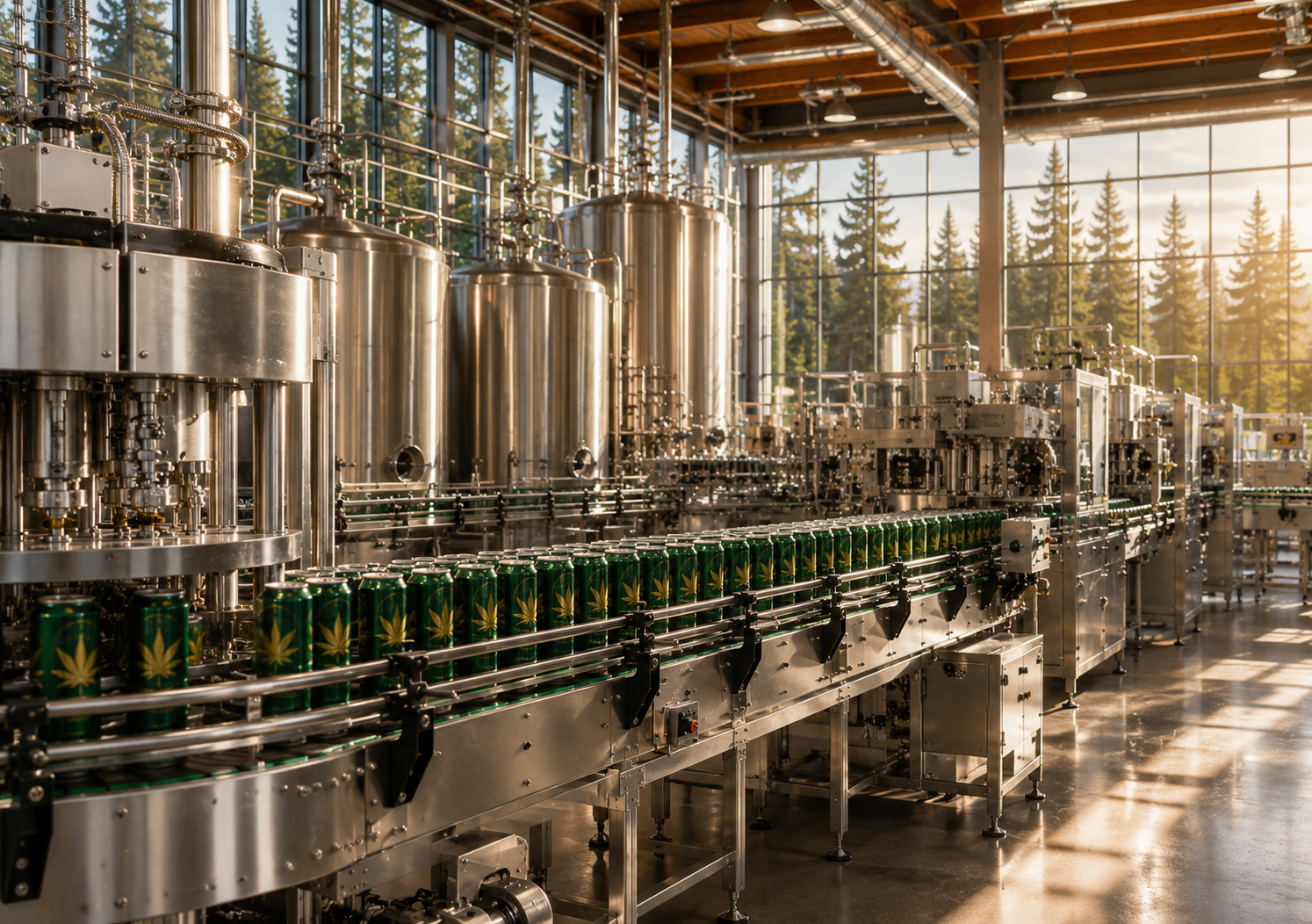
Cannabinoid beverages are the fastest-growing edible category in mature cannabis markets, and hemp-derived THC drinks are expanding nationally. But the manufacturing process behind them is fundamentally different from conventional beverage production, and meaningfully different from other cannabis edibles. Here's what actually happens between a brand's concept and a finished product on the shelf.
Information
© All Rights Reserved 2026