You Need a Licensed Manufacturing Partner
You Need a Licensed Manufacturing Partner


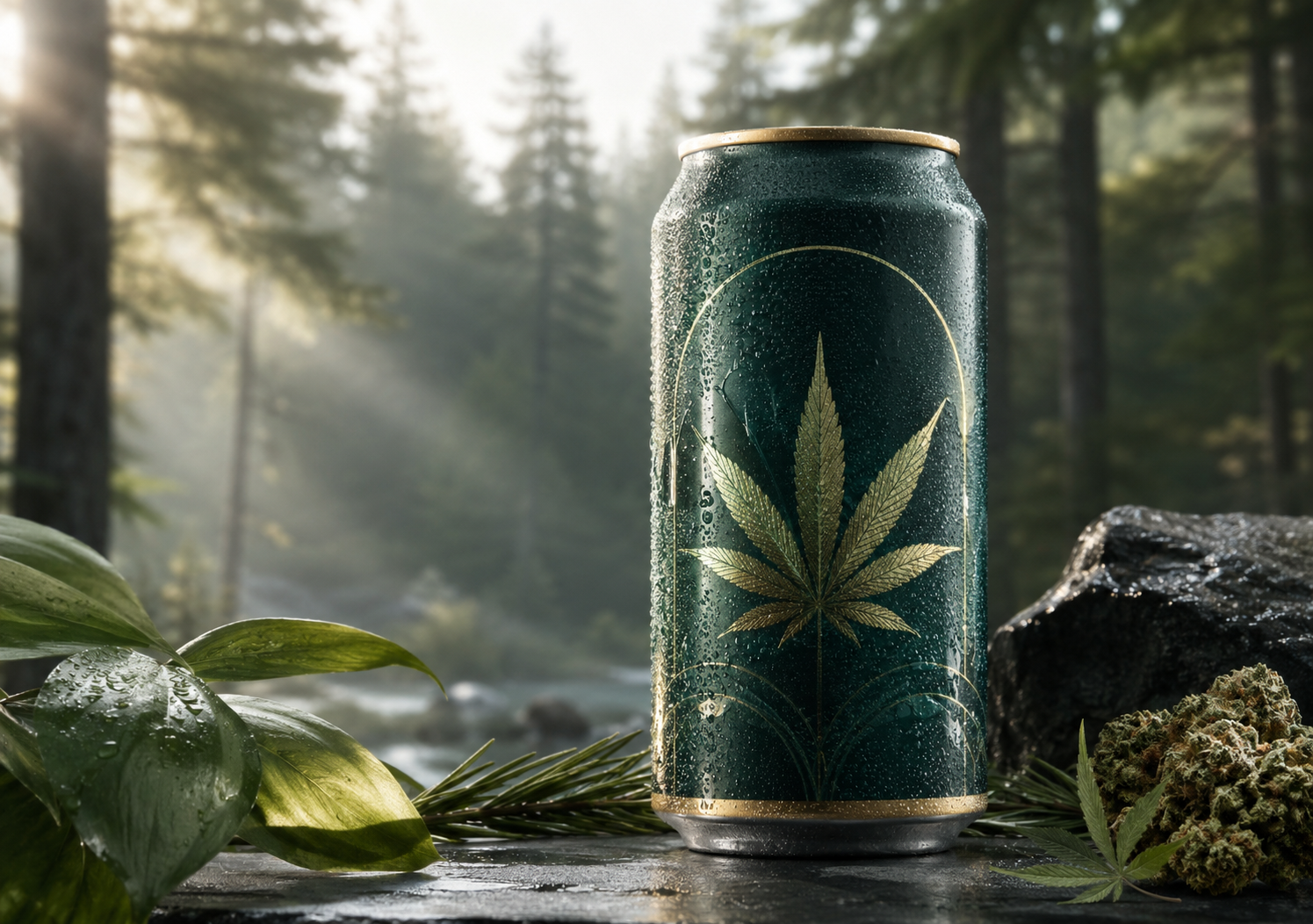
Washington was one of the first states to legalize recreational cannabis, and its beverage category has been growing ever since. There are now 55+ active cannabis beverage brands competing for shelf space across 500+ licensed dispensaries statewide.
If you're a beverage brand thinking about entering the Washington cannabis market, here's what you need to know.
You Need a Licensed Manufacturing Partner
This is the first thing that trips up out-of-state brands. In Washington, you cannot simply ship a cannabis-infused beverage into the state and sell it. All cannabis products must be manufactured by a licensed I-502 processor, within a licensed facility, inside Washington State.
That means if you're a national brand, or even a brand from Oregon or Colorado, you need a WA-licensed manufacturing partner to produce your product here. There is no workaround. The LCB (Liquor and Cannabis Board) requires that every step from infusion to packaging happens inside a licensed facility.
This is actually the biggest barrier to entry, and it's why finding the right co-manufacturer matters more in cannabis than in any other beverage category.
The Regulatory Landscape
Washington's cannabis regulations are detailed and enforced. Here's what you need to know:
Dosing Limits
Seed-to-Sale Tracking
Every cannabis product in Washington is tracked through the Cannabis Central Reporting System (CCRS). Your co-manufacturer must have robust traceability infrastructure. This isn't optional, and errors can result in fines or license suspension.
Labeling Requirements
Cannabis beverage labels in WA must include:
Food Safety
Cannabis beverages are food products, and Washington treats them that way. Your manufacturing facility must be inspected and approved by the Food Safety Division of the Washington Department of Agriculture. This is a separate requirement from the LCB processor license, and both must be in good standing.
The Food Safety Division conducts on-site inspections of the facility covering:
These inspections are not one-time. The facility is subject to periodic re-inspection, and any violations can affect production. If you're evaluating a co-manufacturer, ask when their last food safety inspection was and whether they've had any corrective actions. A facility that's been operating for years with a clean inspection history is a meaningful signal.
Formulation Decisions That Matter

Cannabis beverages aren't like other packaged drinks. The active ingredient, THC, is oil-soluble, meaning it doesn't naturally mix with water. How you solve that problem determines your product's performance at retail.
Most successful cannabis beverages in Washington use nano-emulsion technology. It delivers faster onset (15-20 minutes vs. 60-90 for traditional oil infusions), more consistent dosing, and better shelf stability. Consumers have come to expect this. It's a baseline expectation now, not a premium feature.
Format and Potency: WA Is a High-Dose Market
This is important context if you're coming from the hemp world or from other states with different consumption patterns.
The majority of cannabis beverages sold in Washington dispensaries are 100mg per package, the regulatory maximum. That's typically a multi-serve product (ten 10mg servings), and experienced consumers often drink the whole thing. These aren't "sessionable" drinks in the way that a 5mg hemp seltzer is sessionable. They're potent products for established cannabis users who know their tolerance and want value per milligram.
Why is WA tilted toward high potency? A few factors:
This doesn't mean low-dose products can't work in Washington, but understand that the market dynamics are different from what you'll see in hemp retail or in newer cannabis markets where session-dose products are the norm.
Format Considerations

Your co-manufacturer's equipment determines which formats are available to you, so match your packaging vision to their capabilities before you sign anything.
What a Good Co-Manufacturing Partnership Looks Like
Not all cannabis co-manufacturers are equal. Some fill bottles. Some are actual partners. Here's what to evaluate:
Formulation support. Can they help you adapt your recipe for compliance and production scale, or are you on your own? Cannabis formulation has specific challenges (solubility, stability, dosing accuracy) that conventional beverage experience alone won't solve.
Regulatory expertise. WA's rules change. Your co-manufacturer should be managing LCB compliance, CCRS reporting, and labeling requirements as part of the service, not handing you a checklist.
Speed to market. In cannabis, time kills. A co-manufacturer with an on-site lab can bench-sample your formulation and have production-ready runs in weeks, not months.
Retail knowledge. This is the part that's hard to find. A manufacturer who also operates in the WA market understands what's selling, what's saturated, and how dispensary buyers think. That market intelligence is worth as much as the production line.
The Economics
Washington rules around cannabis have changed greatly since I-502 launched recreational sales in the state, and the costs of compliance with both state and federal regulations continue to rise. The “all-in” cost of launching a cannabis beverage is not just the cost of the raw ingredients, THC, and labor. Knowing the economics and pricing norms will put you in a much better position for your brand to succeed and be profitable.
What this means in practice: the economics of cannabis beverage distribution in WA favor brands that negotiate manufacturing agreements carefully. Understand the fee structure, minimum order quantities, and what's included in the per-unit cost before you commit.
|
Cost Factor
|
What to Ask
|
|---|---|
|
Per-unit production cost
|
Does it include materials, labor, and infusion?
|
|
Minimum order quantity
|
Can you start with a pilot run?
|
|
Formulation/R&D fees
|
One-time or amortized across production?
|
|
Labeling and compliance
|
Included or separate line item?
|
|
Storage and logistics
|
Does the co-manufacturer handle warehousing and delivery?
|
What About Hemp Beverages in Washington?
If you're a hemp beverage brand, you might assume Washington is straightforward. Your product is federally legal under the Farm Bill, so you can sell it anywhere, right?
Not in Washington. This is one of the most counterintuitive parts of the WA market.
SB 5367: Hemp Gets Funneled Into the Cannabis System

Under SB 5367, any hemp-derived product containing detectable Delta-9 THC must be sold through licensed cannabis retailers (dispensaries). That means a 5mg hemp THC seltzer that you can sell at a gas station in Texas or a liquor store in Minnesota has to go through the dispensary system in Washington.
The practical effect: if your hemp beverage has any meaningful THC content, your retail channel in WA is the same 500+ dispensaries that sell rec cannabis products. You're on the same shelf, competing for the same buyer's attention.
Where Hemp and Rec Cannabis Requirements Diverge
The dispensary-only retail requirement doesn't mean hemp and rec cannabis products are regulated identically. There are important differences:
|
Requirement
|
Rec Cannabis (I-502)
|
Hemp (SB 5367)
|
|---|---|---|
|
Manufacturing location
|
Must be produced in WA by a licensed processor
|
Can be manufactured out of state and shipped in
|
|
Processor license required
|
Yes
|
No
|
|
CCRS seed-to-sale tracking
|
Yes, every unit tracked
|
No, not in the cannabis tracking system
|
|
Testing requirements
|
Full panel (potency, pesticides, heavy metals, microbial)
|
Similar testing, but administered under hemp framework
|
|
Retail channel (if detectable THC)
|
Licensed dispensaries only
|
Licensed dispensaries only
|
|
Dosing limits
|
10mg/serving, 100mg/package
|
Subject to WA hemp rules (aligning toward similar limits)
|
The key advantage for hemp brands: you don't need a WA processor license to manufacture. You can produce out of state and ship product in, as long as it meets the hemp definition (under 0.3% THC by dry weight) and complies with WA's hemp product rules. That's a much lower barrier to entry than Washington rec cannabis, where in-state licensed manufacturing is mandatory.
The Exemptions
Not all hemp products get pulled into the dispensary system. Products with no detectable Delta-9 THC, like a CBD-only beverage made with isolate, can still be sold through conventional retail channels: grocery stores, convenience stores, online. The SB 5367 dispensary requirement specifically targets products with detectable THC.
So if your product line spans both CBD-only and THC-containing SKUs, you may be operating in two retail channels simultaneously in Washington: dispensaries for your THC products, general retail for your CBD products. A co-manufacturer who understands both regulatory frameworks can help you navigate that split.
Why This Matters for Your WA Strategy
If you're a hemp brand entering Washington, you're stepping into a dispensary environment where the dominant cannabis beverages are 100mg, the consumers are experienced, and the shelf is already crowded with 55+ brands. Your 5mg session seltzer isn't wrong for the market (there's a real consumer who wants a lighter option) but you need to understand the competitive context.
Some brands choose to produce both a hemp-derived product (for national distribution) and a WA-specific rec cannabis version (higher potency, produced under an I-502 license) to cover both markets from one brand identity. A co-manufacturer with dual cannabis and hemp capability makes that possible from a single point of contact, though the products may be manufactured in separatee facilities.
Frequently Asked Questions
Can I ship my cannabis beverage into Washington from another state?
No. Rec cannabis products must be manufactured within WA by a licensed I-502 processor. Interstate cannabis commerce is not legal. Hemp products, however, can be manufactured out of state and shipped in if the out of tate brand is operating a direct-to-consumer model, which is a key distinction.
Do I need my own processor license?
Not necessarily. You can contract with a licensed co-manufacturer who produces under their license on your behalf. This is the most common approach for brands entering the rec cannabis market. Hemp products don't require a processor license at all.
How long does it take to go from formulation to retail shelf?
With the right co-manufacturing partner, 4-8 weeks from approved formulation to first production run is realistic. Add time for label approval, initial sales outreach, and retailer onboarding.
What's the minimum realistic budget to launch a cannabis beverage in WA?
It varies, but plan for $15,000-$50,000 for initial formulation, pilot production, labeling, and compliance, before marketing spend. Working with a full-service co-manufacturer can bring the lower end of that range within reach.
Ready to Explore Washington?
If you're a beverage brand evaluating the Washington cannabis market, the first step is a conversation with a licensed manufacturer who knows the landscape. No commitment, just an honest assessment of whether your product is a fit for the market.

Information
© All Rights Reserved 2026